
A new month, a new microorganism

Aliivibrio fischeri
Bacteria
This bacteria lives freely in seawater and is used by the bobtail squid. Scientists can also use this organism to test water toxicity, as their luminescence fades in the presence of toxic substances.

Arboviruses
Arthropod-borne virus
Mosquitoes, breed in stagnant water and can lay eggs in tiny amounts of water that may be in bottle caps etc.
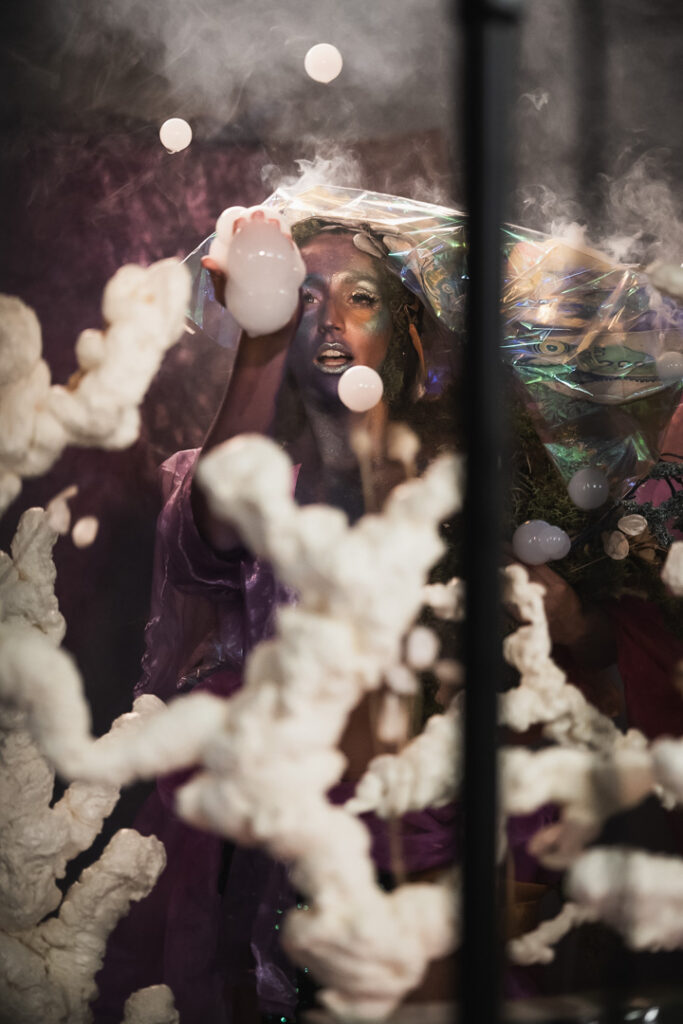

Cryptosporidium
Protozoan
This parasite is so tough, that not even the chlorine in swimming pools can destroy it…
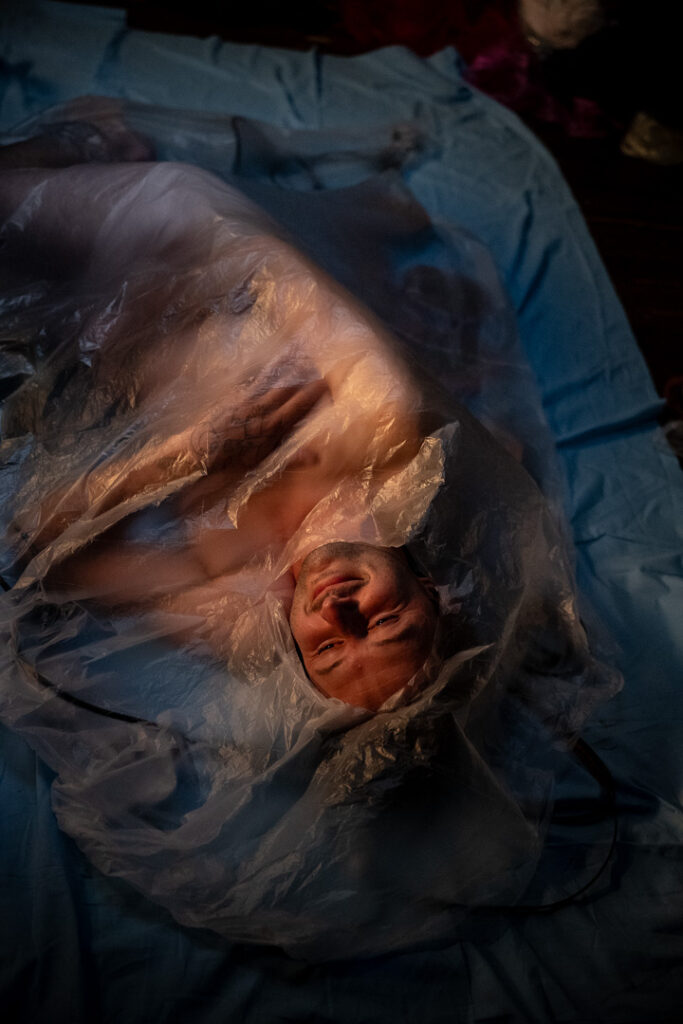

Mitochondria
Membrane-bound cell organelle
The ancient ancestor of the mitrochondrian was a free-living bacterium that lived in ocean water roughly 1.6 – 2 million years ago.
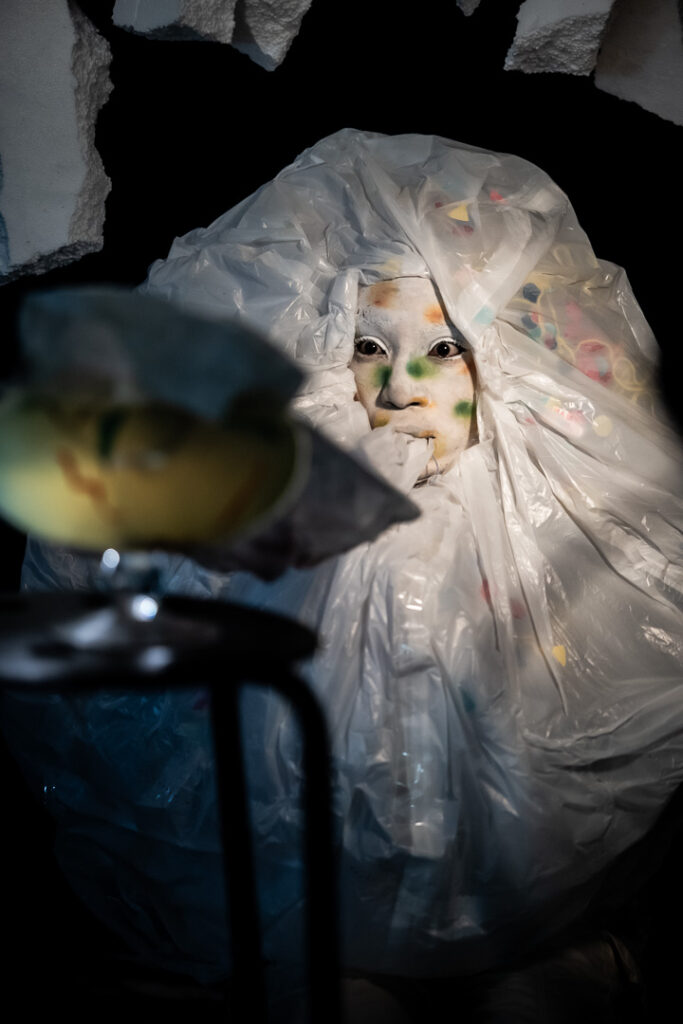
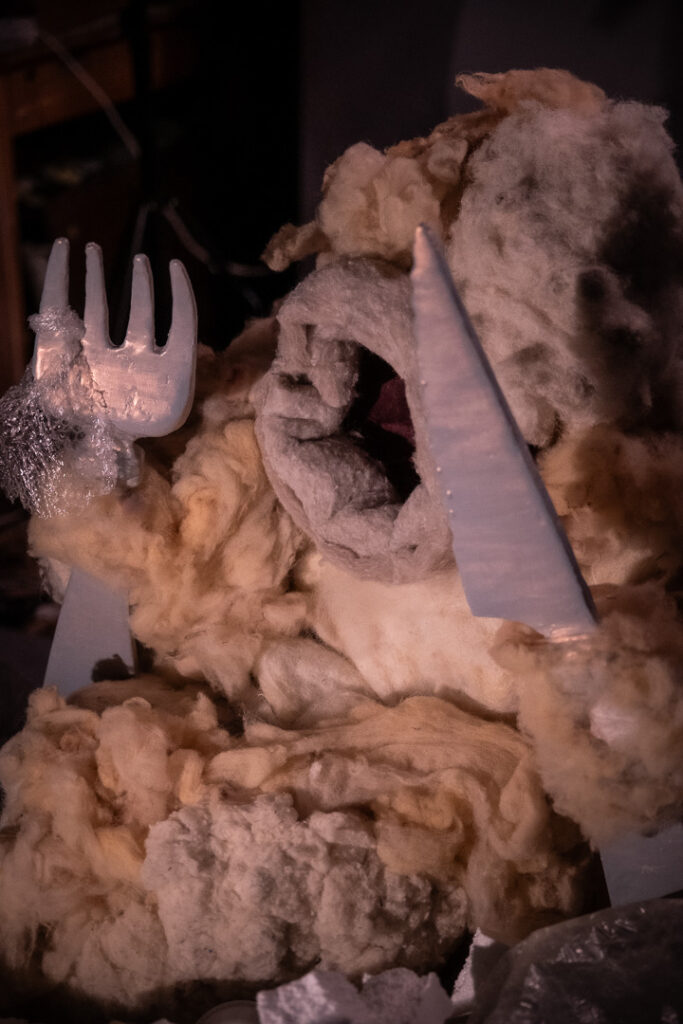
Pestalotiopsis microspora
Endophytic fungus
This fungus thrives in suspension and can survive without oxygen, making them an excellent candidate to break down microplastics in our oceans.

Pseudomonas syringae
Bacteria
They cause water to freeze at temperatures of -1.8C with their surface proteins that act as ice nuclei.
Thermus aquaticus
Bacteria
This bacteria thrives at temperatures of 70C, you’ll find them relaxing in geomthermal springs.
Slime mold
Protist
Dynamically shift in wet and dry environments, in water, the amoebas grow flagelly so they can swim and catch food, but when dry they lose their tails and become creeping amoebas.

Streptomyces
Bacteria
Human water-seeking instinct evolved to help ancestors track down water sources and predictable rainfall in arid contexts.